
Advanced Cancer Detection Solutions For First Responders

A Better Way to Screen for Cancer—
Built for Firefighters
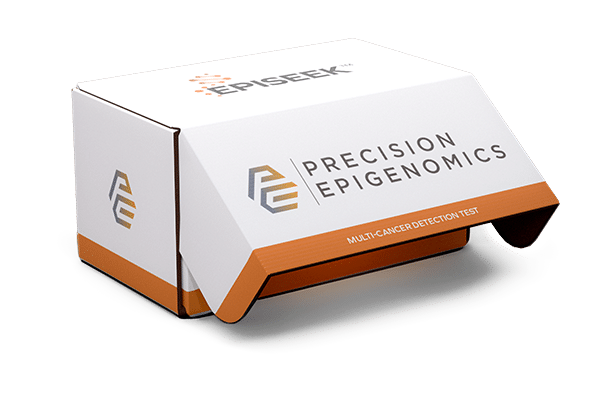
Cancer is a leading cause of line-of-duty deaths among firefighters. Firefighters are up to 2x more likely to develop certain cancers compared to the general population. Early detection is critical—and now, it’s easier than ever with EPISEEK®, the fast, affordable, and accurate cancer screening test. Unlike other MCED tests, EPISEEK detects all presumptive cancer types including brain cancer.
We’ve Partnered with Front Line Mobile Health
We are delighted to partner with Front Line Mobile Health to deliver advanced cancer screening in the states of Texas, Georgia, and Colorado.
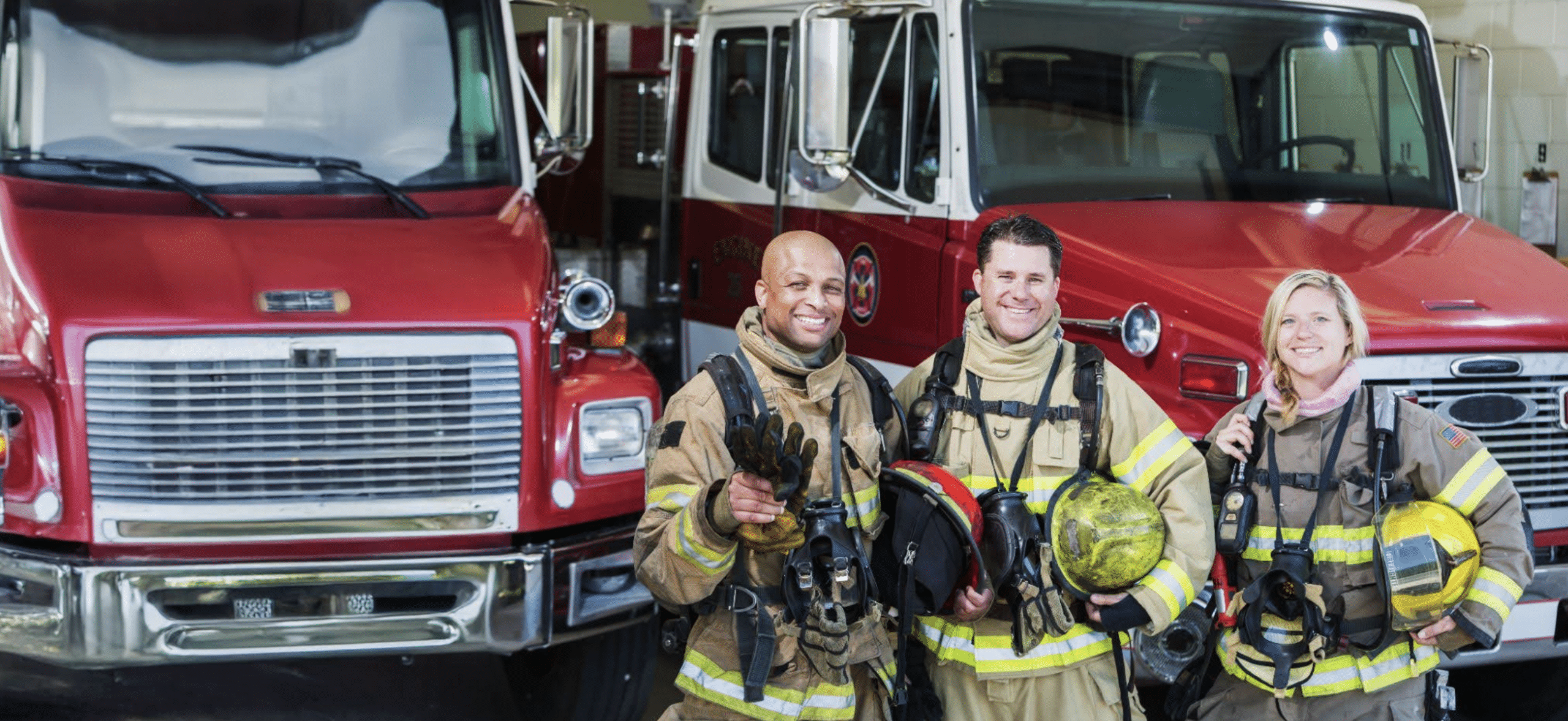
Why Firefighters Trust EPISEEK
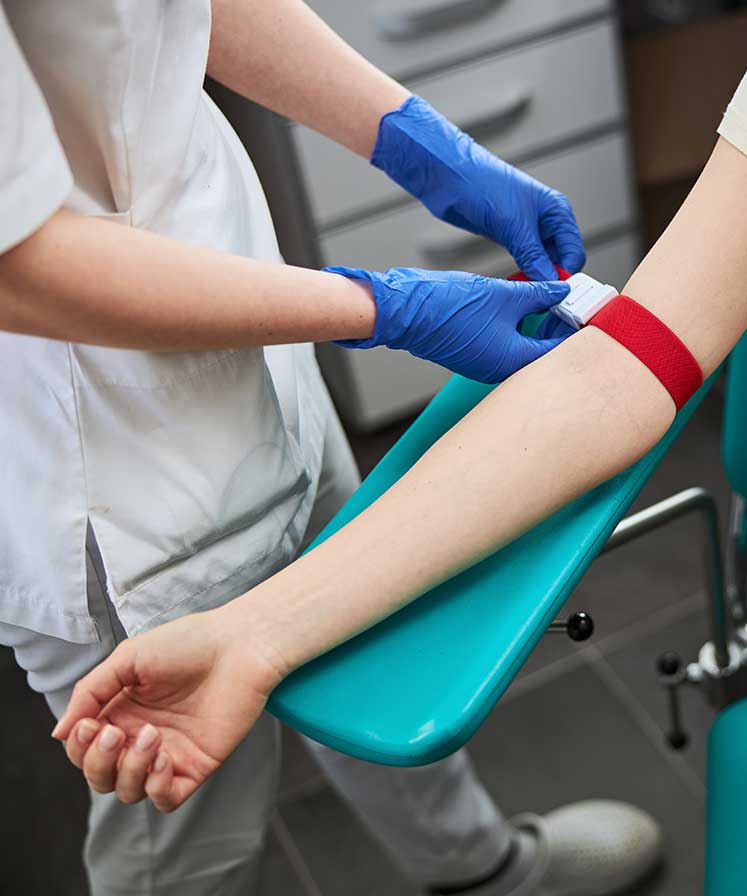
Quick Results
Just a simple blood draw with results in 7–10 days

Early Detection
Helps catch cancer before symptoms appear

First Responder Discount
Special pricing for fire departments and individuals

Unmatched Coverage
The only screening test detecting the 10 deadliest cancers—including brain
The EPISEEK Test
Detects All Major Cancer Types

Bladder

Brain

Breast

Colon & Rectum

Esophagus & Oral
Kidney

Myeloma & Leukemia

Liver/Biliary
Lung & Bronchus

Lymphoma

Pancreas

Prostate

Stomach

Thyroid

Uterine, Cervical & Ovarian

Who Should Get Tested?
EPISEEK is appropriate for the following:
- Firefighters and first responders with substantial occupational related risk
- Individuals 45 years and older
- Individuals with elevated cancer risk
Not recommended for pregnant individuals or those planning to become pregnant in the next three months, those under 21, or anyone currently undergoing active cancer treatment.
Take the First Step Toward Prevention
Add EPISEEK to your screening routine today and take advantage of exclusive rates for first responders.
Using a specificity of 99.5%, EPISEEK is predicted to have a positive predictive value (PPV) of 64.9% and a negative predictive value (NPV) of 99.5% in patients 50 years and older.
For aggressive stages I and II cancers that do not have widely adopted screening—such as bladder, esophagus, head and neck SCC, lung, pancreas, and uterine—EPISEEK has a sensitivity of 62%. At stage III, which is still operable in many cases, the sensitivity for aggressive cancers is 80%.